

From idea to experience: Prototyping creative work with AI
In video production, big creative decisions are often made before anything is actually filmed. Based on scripts, storyboards, and references, clients are asked to imagine tone, pacing, and emotion without ever seeing it.
But imagining a film is a skill.
For people who work creatively, that comes naturally. We’re used to translating words into visuals, rhythm and feeling. For many stakeholders, it’s a different story. A CEO or CFO may be highly experienced in their own domain, but film is not their native language. And that gap matters.
It means decisions are often made on something abstract. Not because the idea isn’t strong, but because it’s harder to fully grasp.
So we’ve been asking a simple question:
What if you could experience the film before committing to making it?
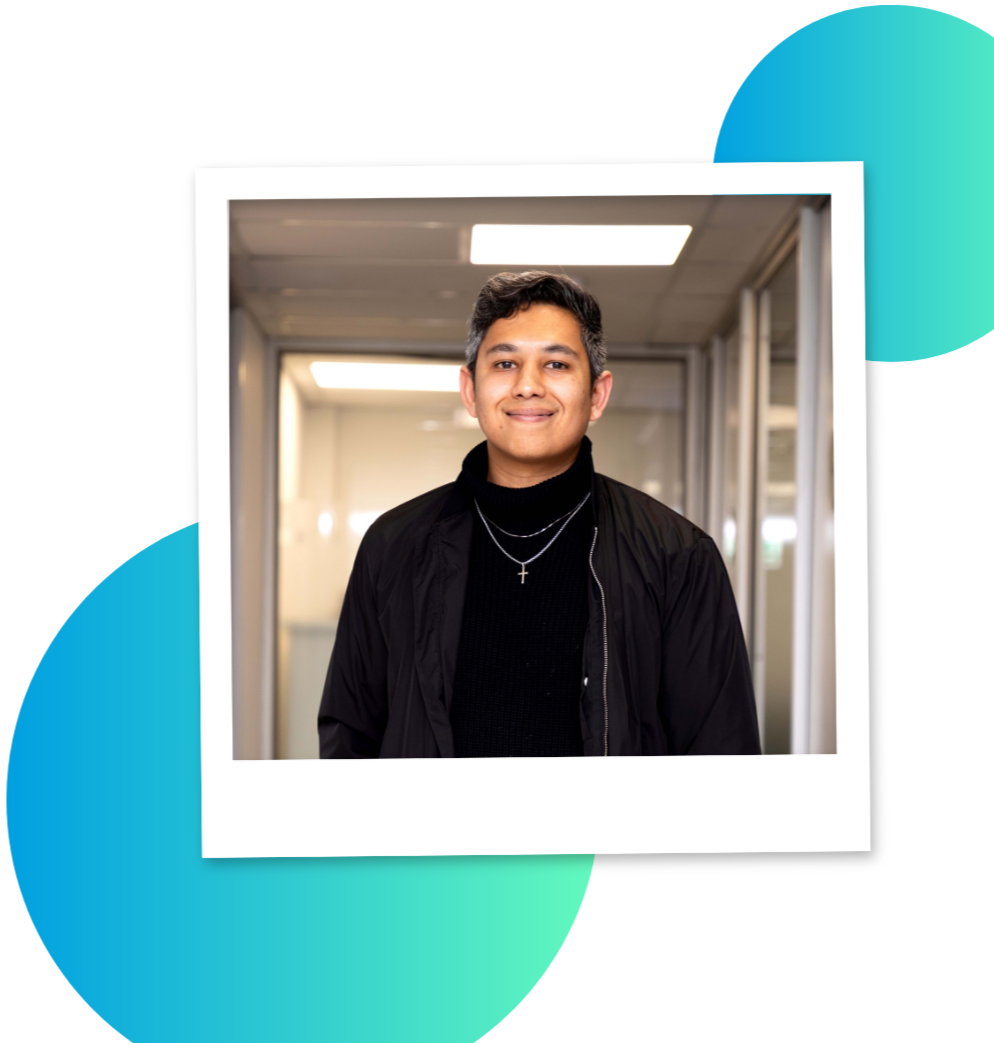
We sat down with our video advisor, Jody, to unpack how AI is changing the way we develop and present film concepts. Not by replacing the craft of production, but by helping bridge the gap between different ways of understanding creative work.
So… using AI before production… what do you actually mean?
Jody:
It’s about making ideas tangible early.
Instead of describing what something could become, we create a rough version of it. A draft film, a prototype. Something you can actually see and feel.
So it’s not about replacing the creative work?
Jody:
Not at all. It’s about making it easier to engage with.
We’re not trying to skip craftsmanship. We’re trying to create a shared language. If everyone can see the same thing early on, the conversation becomes much clearer.
Why is that shift important?
Jody:
Because creative work is often communicated as abstraction.
Scripts and mood boards leave space for interpretation. That works well for creatives, but not always for everyone else in the room.
That’s where misalignment starts.
How does AI change that?
Jody:
It helps us close that gap.
We can quickly create rough, imperfect versions of the film. A draft voiceover, generated scenes, simple edits that show rhythm and flow. Not polished, but real enough to respond to.
What does that change in the process?
Jody:
It shifts the starting point.
Instead of asking people to imagine the film, we let them experience it. And that makes it much easier to react, challenge and decide.
What does that mean for decision-making?
Jody:
It becomes more confident.
You move from “I think I understand” to “this feels right” or “this doesn’t”. That’s a big difference.
Is it mainly about speed?
Jody:
Speed helps, but clarity is the real value.
And it means we can explore more directions early on. Different tones, narratives and styles, without heavy production.
What does that change for the final output?
Jody:
It strengthens it.
When alignment happens early, we don’t spend time re-explaining. We spend our energy improving the work itself.
If you had to sum it up?
Jody:
If you can experience the film early, you can decide on it early.
And that’s really the shift:
From explaining ideas… to prototyping them.
From abstract alignment… to shared understanding.
Not more AI for the sake of it.
But a better way for different disciplines to meet, and spend more time making the final work exceptional.